Day 1 at M.P Shah Hospital
Honestly, the first feeling I felt when walking into the building was just pure anxiety. I was so overwhelmed by the sheer amount of people and the massive size of the building. As I slowly walked up the stairs to the H.R departments, my mind was overflowing with ominous thoughts. What am I going to do here? Will I see people perish? What if I cause a major accident? What, who, when, where, why…so many questions racked my brain.
As Appa dropped me off, I sat in the H.R office for nearly an hour, quickly reviewing my notes as if I was practicing last-minute for a test. Suddenly, one of the ladies called me and asked me to write the date, my name, and just a bunch of quick formalities. She then walked me across the street to the actual hospital, where I was even more queasy than before. It was huge…it was like I was a tiny ant looking up at the building. She walked me up to the reception, where she told me to wait for some time until another doctor came, and then, as fast as a snap, the hour was already over. She quickly took me up to the ward, but she wasn’t the one I was dealing with, she just took me up.

As I dropped my belongings in another room, I entered the ward, with one feeling, weirdness. I didn’t belong here, there were smart residents, attendees and nurses all around me, what does a 12-year-old have any business doing here. As I took my seat, I felt very awkward and lonely, but thankfully, the nurses were extremely helpful. They let me use the computers, helped me quickly settle in, they were extremely kind and nice.
Soon, though, we had our first patient. The baby only came in for a Hepatitis A shot, which is a disease for when your liver gets inflamed, usually from a virus like Hepatitis A, B, or C. Some types, like B and C, can cause serious long-term damage, including liver cancer.
The whole procedure was less than a minute long, and soon the baby was out of here. I quickly adapted and realized it wasn’t normal sick parents, but rather just babies getting their monthly shots for vaccinations. They were each around a minute long, and it was quite quick. All I was supposed to do was just examine their Vaccination Booklet, an oversized brochure that held all the baby’s medical info, then transfer that to a spreadsheet, and at the end of the day, transfer it to the nurse who was leading the ward.

Since it was a Friday, there were actually not many patients towards the end, and I even got a whole free hour, where I got to journal and watch some medical videos, and it was overall a really positive experience, though I wouldn’t recommend it to someone who is sensitive towards babies crying and people who are not very researched in development and data-writing, yet I found it an experience that I need not to fear, but rather something that was sort of a breeze!
Day 2 at M.P Shah Hospital
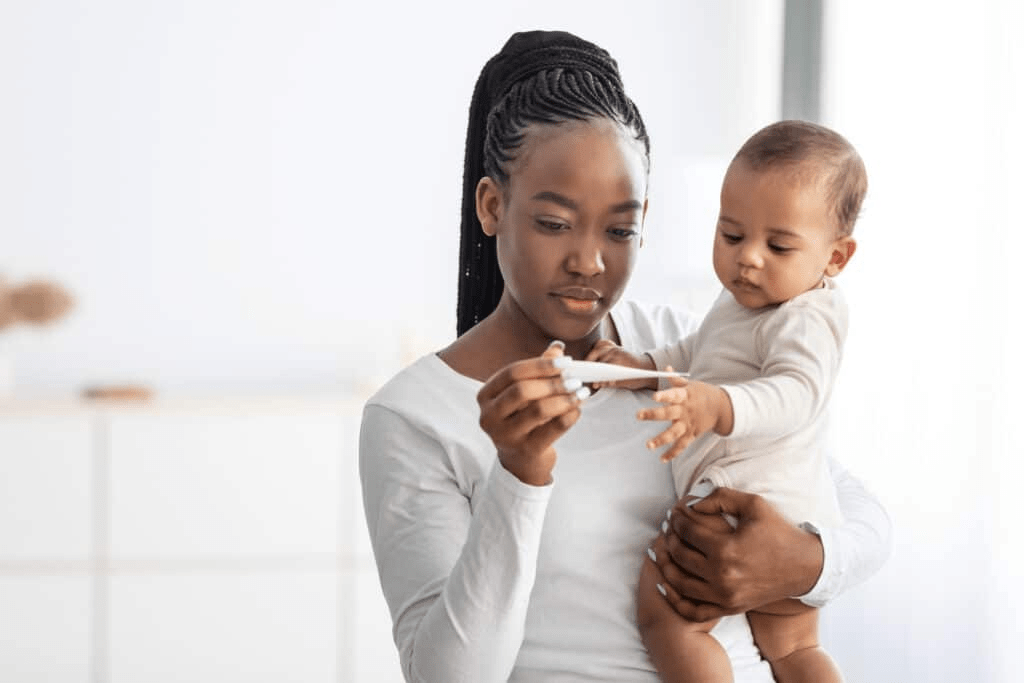
Today was a very underwhelming day, as it was a weekend, and it was not busy at all. Since it was a Saturday, there were barely any patients, so it was like a full day break with a few interruptions. Yet, since I had gotten used to the setting from yesterday, I was easily able to manage everything that went on, such as assisting nurses with triages and pediatric assessments, which is something that I find particularly easy, where I just needed to transfer the baby’s medical data to the books, such as their weight and height.
I asked one of the nurses the need for triages, and she said it was so that they can monitor and ensure that the baby is growing at a steady rate and not a slower or accelerated rate than average. I also asked about the pediatric assessments, and they just said it was a quick observation, just to check how the baby is doing and to estimate how urgent they’re in need of care, or if they could wait or need to go as soon as possible. She explicitly stated though, that this was not a proper and formal diagnosis, and just something anyone can do, just by checking the skin tone, breathing rate, appearance of the student and a few more obvious reasons.
Yet, it was much easier for me to quickly write down the data of the baby and transfer it to the spreadsheet, so I spent most of the weekend workday watching medical videos that delved more into the pediatric specialty (as even though I would most likely not be treating chronic diseases like diabetes and cancer in children, it would really help to have the extra help), and journaling. Obviously, this was not as expected, as many children go to the hospital on the weekends, but the area has many pediatric wards, so I presume that this was just an underwhelming day. Evidently, this was a much more relaxed and fulfilling day, with the bonus of the fact that there was no need to wait for such a long time to get to the ward, and I got to leave 30 minutes earlier.
Day 3 At M.P Shah Hospital
Today started off with me learning a whole bunch of things about vaccinations. I was curious as to why babies and even adults even need vaccinations, what does a shot full of some random fluid do? Yet, the nurse answered, telling me it was so that the baby had a much higher chance of not contracting that disease later in life. Even adults need vaccines, such as for Covid-19, so they would not contract in either. I was really shocked as to learning that they inject a small part of the virus inside you, and so your body fights the disease and becomes immune to it, so that is the reason children will have the higher chance on not contracting it. I found that much simpler now, but then I asked for the need for Vaccination Booklets, and then the nurse answered again; it is so the nurses and doctors have something to refer back to when consulting the parents and kid when they are next sick, and to review how the child is growing, as their weight and height are also included in the booklet.

I asked why they could not just write down all that information in something like a receipt, and then I learned that there is much more information included in the booklet, such as the doctor treating them, growth since Day 1, medication the child was prescribed to take, and much more medical information. Nearly every pediatric ward requires a vaccine booklet, and they remain relatively the same from hospital to hospital, except for some formatting and design aspects.

Since today was the start of the week, there was a jump start in patients, less than the first day, but significantly higher than the second. Weirdly, many babies are likely to be born on a weekend or on Monday, which led to many children coming for their monthly vaccination shots. Many children who came were a mix between 6 months and 1 year, so they were very young, and some had to get multiple shots at once.
In the morning, it was very relaxed and laid-back, but from 11 onwards, it was like a rush hour. With around 10 patients every 10 minutes, I was writing like never before, having to make a few seconds in between patients for some notes about the vaccinations. Today, I wasn’t really doing spreadsheet work, but rather filling out necessary information on the actual Vaccination Booklet mentioned prior, and it was obviously much easier, yet there were some annoying parts, such as writing the medical SERIAL NUMBER into some areas to make sure it was a valid medicine.
I did some online work before, but it was only for a few minutes, and barely anything, so I assumed it wasn’t worth mentioning, but today was. For the last hour, I was only doing online work. I just billed the patients, which was very confusing, as a good 30 something patients came today, so I had to repeatedly check the booklets and receipts and spreadsheets, and then I had to repeatedly ask the pharmologist about the price of each medication, and then at last bill the patient. Yet, it was quite easy, and the only troubling and overwhelming aspect had to be the sheer quantity of patients there were.
Since it was my last day, I decided to apply myself much more and even get in a jog during my break. I know it was just three days, yet it felt like as if I’ve been a long-time senior staff, head of the Pediatrics department. It felt oddly nostalgic leaving this ward, as I might have even been there when I was just a little baby, so maybe this could be a form of Déjà vu. Yet, it was a genuinely fascinating day in pediatrics, and something I highly enjoyed, and would be thrilled to do again. Sadly, the shop with the absolute cinema of a smoothie was out of change, so I had to settle for some samosas today, not my first choice. Yet, it felt like I had completed one of the many hurdles in life. What I had no idea of was that, just as I completed one, relatively, simple specialty, I was about to transfer into one of the most competitive, highest-paying jobs in the world of medicine. One of the rare specialties that uses machines, and much more staff than the 3-nurse team with me at pediatrics. Something that seemed extremely overwhelming and scary…physiotherapy.
Day 4 at M.P Shah’s Hospital
On my fourth day, the experience unfolded much like my first day. I felt a familiar mix of nerves and excitement as I signed in. Accompanied by a lady, I walked to the physiotherapy department, my heart racing with anticipation. After waiting for an hour, I was finally introduced to the physiotherapy team. The first thing that struck me was the sheer number of machines—more machines than people! They resembled gym equipment but were a much more simplified version, designed for rehabilitation rather than intense workouts. I noticed treadmills with straps, weight machines padded with protective cotton, and a few 2–5-kilogram weights scattered around.

As I was introduced to the staff, I was pleasantly surprised by the number of people present—around ten in total. Seven were nurses, two were attendees, and one was a cashier who seemed extremely nonchalant about the bustling environment around him. I quickly settled in, eager to contribute in any way I could. The staff assigned me a series of simple tasks, such as recording how many patients completed a certain number of exercises. It was straightforward work, involving basic number graphs reminiscent of what I learned in Grade 2 mathematics.

Tracking the patients’ progress took me about an hour, and once I completed that task, I found myself with some free time. I managed to assist the cashier with some printing tasks, which, while not particularly thrilling, gave me a sense of involvement in the hospital’s operations. Although the day felt somewhat underwhelming compared to what I had anticipated, I found joy in the simplicity of the tasks. I preferred this day over my first day in pediatrics, as the wait time was significantly shorter—just an hour instead of two. I completed my tasks efficiently and left the hospital feeling accomplished and satisfied.
Day 5 at M.P. Shah’s Hospital
Today marked my second-last day at the hospital, and I was eager to see what it had in store for me. The atmosphere was relatively calm, with only a few patients checking out of rehabilitation. Overall, the day felt reminiscent of my second day out of pediatrics, which I found quite relaxing. Although there wasn’t much to stimulate my brain, I still found the day very satisfying. With around four hours left in my shift, I decided to take the initiative and spent two hours diving into research to keep my mind engaged.

I discovered fascinating information about various rehabilitation techniques and the importance of physiotherapy in patient recovery. The day became increasingly interesting as I engaged in discussions with the nurses, who were more than willing to share their knowledge and experiences. They answered my questions and provided insights into the challenges and rewards of working in healthcare. I appreciated their willingness to help me understand the complexities of patient care.

Towards the end of the day, I was tasked with billing items and equipment for physically disabled patients. This was a unique opportunity to learn about the administrative side of healthcare, which is often overlooked. I found it fun to figure out how they billed items like crutches or kneecaps, and it gave me a newfound appreciation for the logistical aspects of patient care. However, I couldn’t help but notice that the day was quite underwhelming compared to a typical day with a stable number of patients, which was unusual for the middle of the week. Still, I was grateful for the support from the nurses and doctors, who made my research experience enjoyable and enriching.
Day 6 at M.P. Shah (Finale)
As I arrived for my final day, I felt a mix of excitement and sadness. I was eager to try out many tasks I hadn’t done before. One of my responsibilities was to organize physical files into specific folders. While this task was tiring and repetitive, it was surprisingly fulfilling. I found satisfaction in creating order from chaos, knowing that my efforts would help streamline the workflow for the staff.
The cashier, who had been a constant presence during my time at the hospital, helped me print out some receipts for a few customers. Although the number of items I printed was relatively low, I appreciated the opportunity to contribute to the hospital’s operations. However, the task that truly excited me was setting up some of the machines for the rehab patients. I felt a rush of enthusiasm as I plugged in the machines, ensuring they were ready for use.
Meeting the patients was one of the highlights of my experience. They were down-to-earth individuals who shared their stories with me, and I was struck by their resilience and positivity despite their challenges. I learned so much from them about their personal experiences and hardships, and it deepened my understanding of the human side of healthcare. These interactions reminded me of the importance of empathy and compassion in medicine.
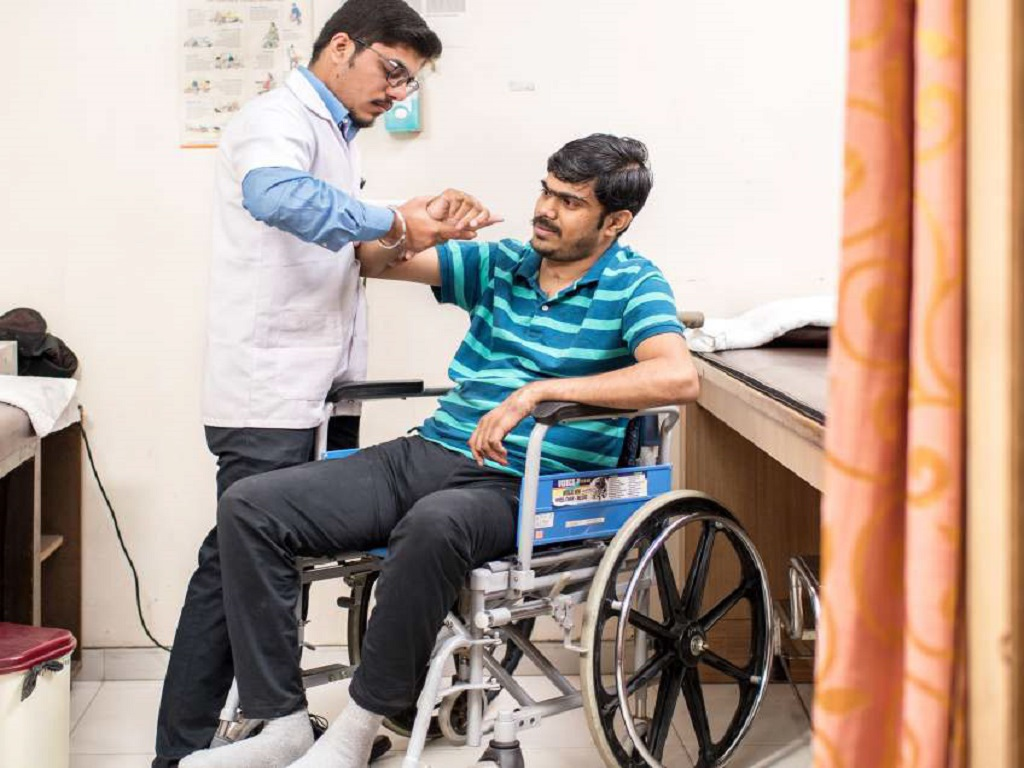
Throughout my time at the hospital, Mr. Deep played a significant role in shaping my understanding of the medical field of physiotherapy, a field where I have gained so much more insight of since when I first began. In fact, he taught me a lot about the journey to become a PM&R doctor, and how they can work in multiple different fields, such as sports medicine for athletes or just practical medicine here in a hospital. It was quite fascinating, learning about the journey from college to medical school to residency then fellowship, and finally, the actual hospital itself. It was extremely inspiring what he said, about he built the whole physiotherapy department from scratch, and now it’s a bustling department with enough patients it’s nearly full!
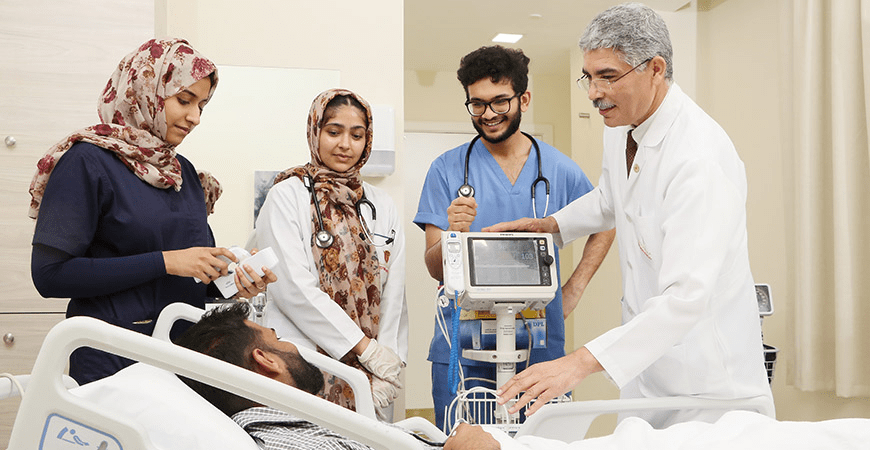
Overall, this was an amazing experience, and I learned so many new skills from immunizations to physical data management, it was a place with no dull moments, something I’d love to learn more about!
 Scrubbed In Chronicles
Leave a comment