
In the days leading up to Epilepsy Awareness Day, I immersed myself in preparation, determined to contribute meaningfully to the event. I took detailed notes while watching educational videos on epilepsy, its causes, and management strategies. I read medical articles, personal stories, and awareness campaigns to better understand the condition and the experiences of those living with it. I learned about seizure types, triggers, and first-aid protocols, as well as the role of neurological diagnostics in epilepsy care. This research not only equipped me with valuable knowledge but also deepened my empathy and appreciation for what families affected by epilepsy endure every day.
By the night before the event, my anticipation had reached its peak. I was eager to apply what I had learned and to support a cause that had become deeply personal to me, especially after seeing my own brother experience seizures. I felt a mix of excitement and responsibility—knowing this would be more than a typical volunteer activity; it was an opportunity to learn, to give back, and to honor the resilience of families like ours. Now with new understanding and genuine enthusiasm, I headed to the hospital early that morning, ready to help and to listen.
As we entered the hospital, I was filled with a sense of anticipation and purpose, knowing I was about to take part in something both meaningful and impactful. However, we were met with some initial confusion. When I mentioned “Epilepsy Awareness Day” to the receptionist, she seemed unsure—unaware of any such event happening that day. I was momentarily puzzled, as the neurology department had clearly stated the event was scheduled for that morning from 9:00 AM to 12:00 PM.
To clear things up, I contacted my mother, who promptly sent a picture of the event’s poster. It featured children holding hands around a globe under the title: “EPILEPSY AWARENESS DAY! FRI 2 MAY.” With this confirmation, the receptionist directed us to the neurology wing, where we were told to find “The Bridge,” the designated event space.
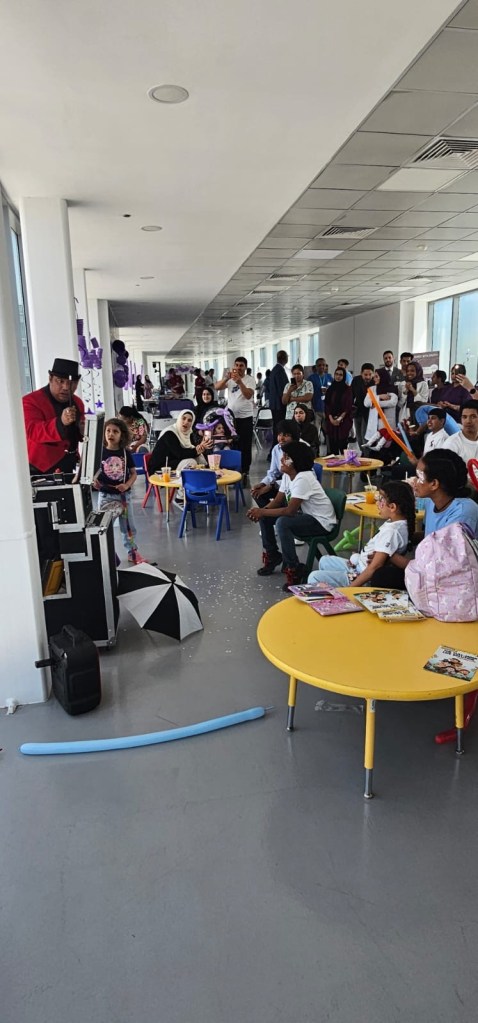
Upon arrival, one of the first things I noticed was the abundance of purple—decorations, balloons, and banners—all in various shades. Soon after, a man in a suit, likely one of the organizers, warmly welcomed my sibling and me. He explained that purple is the internationally recognized color for epilepsy awareness, much like pink is for breast cancer. The association helps raise visibility for a condition that is often misunderstood.
Since we had arrived early, we were able to assist in setting up the venue—arranging tables, organizing refreshments, and decorating the room. Within the hour, families, caregivers, children with epilepsy, and healthcare professionals began to arrive. My brother and I helped run several stalls, distributing educational pamphlets, purple ribbons, and small gift bags to the attendees. The appreciation we received was moving—many families were touched by the effort and thoughtfulness behind the event.

The atmosphere was cheerful yet calm—crucial for those with epilepsy, as overstimulation can trigger seizures. Epilepsy, which affects over 50 million people worldwide, is a neurological disorder characterized by recurrent seizures caused by sudden, excessive electrical discharges in the brain. Triggers can vary widely—from flashing lights and loud noises to stress and lack of sleep—so keeping the environment quiet and controlled was essential.
Activities at the event included face painting, a magician, and a snack area with chocolates and crisps. However, the risks of epilepsy were still present. At one point, a balloon popped unexpectedly, and a young girl suffered a mild seizure. Several of us, including myself, acted quickly to assist, helping her onto a stretcher so she could be taken to the medical wing for care. It was a sobering moment, reminding everyone of the very real challenges these children face daily.
One of the highlights of the day for me was reconnecting with several of the doctors who had previously treated my brother, Sid, during his own seizure episodes months earlier. They generously spent time speaking with me about their medical journeys—from the rigors of medical school through to residency and neurology fellowships. I was especially interested in their explanations of diagnostic tools used for epilepsy, such as EEG and MRI machines.

The EEG (electroencephalogram) machine, they explained, records the brain’s electrical activity through electrodes placed on the scalp. This test is essential in diagnosing epilepsy, as it can detect unusual brain wave patterns associated with seizures. Some people may have normal EEGs between seizures, making repeated tests or prolonged monitoring necessary. Meanwhile, the MRI (magnetic resonance imaging) machine uses magnetic fields and radio waves to produce detailed images of the brain’s structure. It’s invaluable for identifying structural causes of epilepsy, such as brain lesions, tumors, or developmental abnormalities. Used together, EEGs and MRIs offer a comprehensive view of both brain function and form, allowing for accurate diagnosis and personalized treatment plans.
I also learned about the different types of epilepsy, including generalized epilepsy, which affects both sides of the brain, and focal epilepsy, where seizures originate in a specific area. Treatments range from medications—known as antiepileptic drugs (AEDs)—to dietary therapies like the ketogenic diet, and in some cases, even surgical intervention.
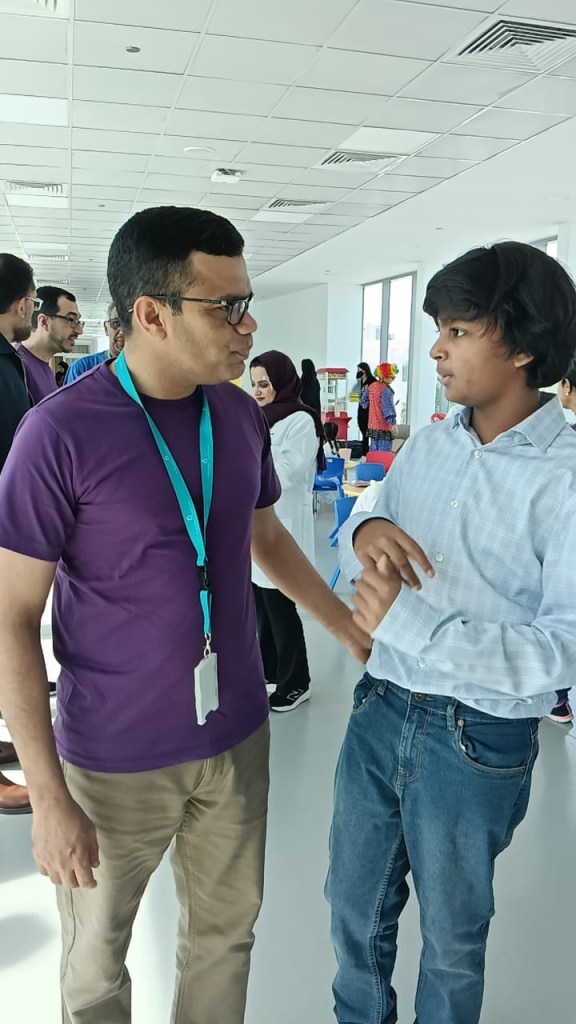
By the end of the event, I felt both humbled and inspired. Volunteering at Epilepsy Awareness Day was more than just an act of service—it was an eye-opening experience that deepened my respect for the resilience of those living with epilepsy and the dedication of the professionals who support them. It also reinforced the importance of raising awareness for conditions that are often hidden or misunderstood.
I left the hospital with a renewed sense of purpose and a desire to stay involved in causes like this. It was a phenomenal day—one that reminded me of the power of compassion, education, and community in supporting those affected by epilepsy.
 Scrubbed In Chronicles
Leave a comment