Pediatric autoimmune encephalitis was always interesting to me from the day I heard about it. When I read about it in the acclaimed Sunflower pediatrics book, I was confused. Adding to the fact that it was quite a rare disorder, I was bedazzled how the brain can be suddenly attacked by the immune system, leading to a whole load of neurological symptoms (such as memory loss, repeated seizures and not to mention inflammation!). When I learned there was a Google Meet organized discussing this topic and it’s causes, I evidently signed up.
Unlike the previous time, I was aware of this event quite a bit in advance, so I joined right in the nick of time, and saw several famous doctors that I have examined before in numerous pamphlets and medical papers. After some brief introductions, the board announced that over 300 people all over the world were attending this meeting, and I was absolutely flabbergasted by the amount of people, likely very similar to me. After recovering from that fact, the meeting went on.
Several doctors presented their case studies before we delved into the sub topics, but one case study really stood out to me over anything else. Before I present it, I have to state that pediatric autoimmune encephalitis is not a direct genetic disorder, meaning that a child can contract the disorder out of nowhere. While a family history of other autoimmune diseases can increase the likelihood, most patients have near no genetic history of these kind of diseases. As I was stating, the case study was of a young girl, aged around 9 years old, who suddenly contracted the disease, and with no family history surrounding her, the doctors weren’t able to diagnose where the disorder originated from. Luckily, a few days after she was in the hospital, they found out it was due to an exposure of the bacteria streptococcus, which can be found on skin and on animals.
The part that really interested me in this case was it showed how deadly the disease actually is, as it starts of with brain inflammation symptoms, which can by itself kill you, but with so much more symptoms it is quite terrifying, predominantly such as impaired thinking, numbness, seizures and loss of consciousness (even leading to prolonged comas).
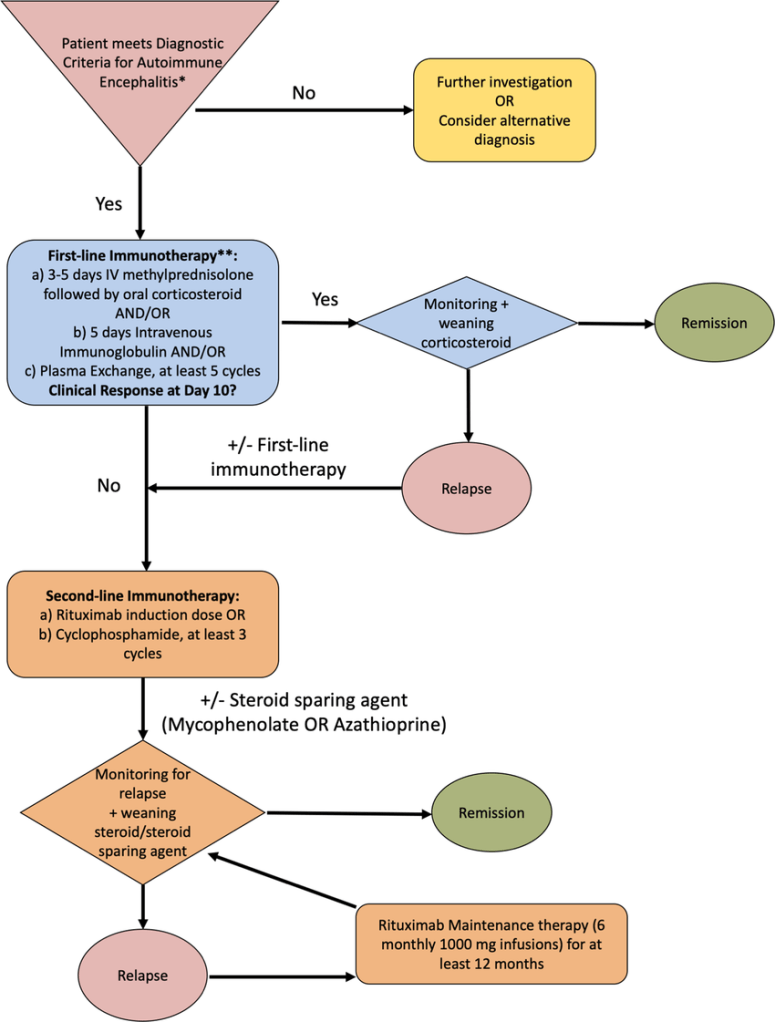
Once we later moved on from the case studies, we delved right into treatment, ranging from antibody testing to therapeutic treatment, which really intrigued me due to the fact that it has proven to be very effective in these sort of cases, which is really heartwarming to me. Overall, it was just as fun as the previous meeting, and I’d love to delve in more.

 Scrubbed In Chronicles