During the summer, I got much more into medicine. I completed numerous courses on various academy websites, and constantly emailed many doctors about all the questions I had.
Eventually, around a term break after school had started, I had got invited to attend a conference at a hospital with Dr. Hadi and Dr. Pawan as panelists and speakers. I was so nervous and worried, and revised multiple notes and blog posts and literally everything that had to do with neurology. I constantly emailed Dr. Hadi, asking a lot about the conference, and about nearly every single question about medicine that popped up in my head. Unfortunately, I never attended the conference, as I wasn’t able to obtain passes. As sad as I was, I got a phenomenal opportunity the next day, at around 5:30 p.m! Apparently, Dr. Hadi was hosting an online meeting, with around 2 other speakers and 2 panelists, each legends in the field of neuroscience!
At around 5:55, I was hurrying around my living room, scouring inch and inch for my notebooks, pens, headphones and electronics, and screaming the whole house down finding them, and finally, at around 5:58, I managed to join the call, out of breath, thankful for the fact that audio and video were disabled, but that didn’t hinder my enjoyment from the meeting. When it finally started at precisely 6, the chat comments were flooded with doctors and people like me (but older) registering and giving their details, and it honestly astonished me around how many people have the same interests and curiosity as me, and it just showed me as how minimal knowledge I have compared to people around the world, from the United Kingdom to Mexico!
The call started with a brief introduction to a lot of the doctors and panelists, and it really showed me just the amount of work and dedication these people put into their craft and work, and just how much of a passion they have for this, and it’s such an inspiration.
What really pleased me about this conference was that it wasn’t a robotic lecture about certain parts of neuroscience, but an interesting, pull-you-in conference, where the doctors displayed numerous case studies and examples, showcasing their own work and what they have done, and the diagnoses they have given based on the patient. It ranged from conditions of children who had infantile, epileptic spasms, (which consists of jerky movements and usual development regression, where the child is very behind his developmental milestones), and how they were able to diagnose his condition based on his numerous symptoms, to conditions where the child was a teenager and tragically died due to an unhealthy amount of ingested alcohol (at the age of 14).
It started off with the case study of a child with mild weakness in his body, where he could walk but was unable to balance, with a decline in his movement skills. He was overall behind in his physical and mental skills, with inability to perform his daily tasks without getting slurred and tired. After numerous gait tests and neurological examinations, they diagnosed the child with MLD, and the child moved abroad for further examination. MLD is the condition which affects a bodies white matter, and is actually relatively uncommon, found in ~ 1 in 40,000 people. The treatment method they used to treat him for the time they had (and the treatment evidently used in the country the child had travelled to) was Gene Therapy with Atidarsagene Automecel, which uses other functional genes to create genetically modified cells, to summarize it.
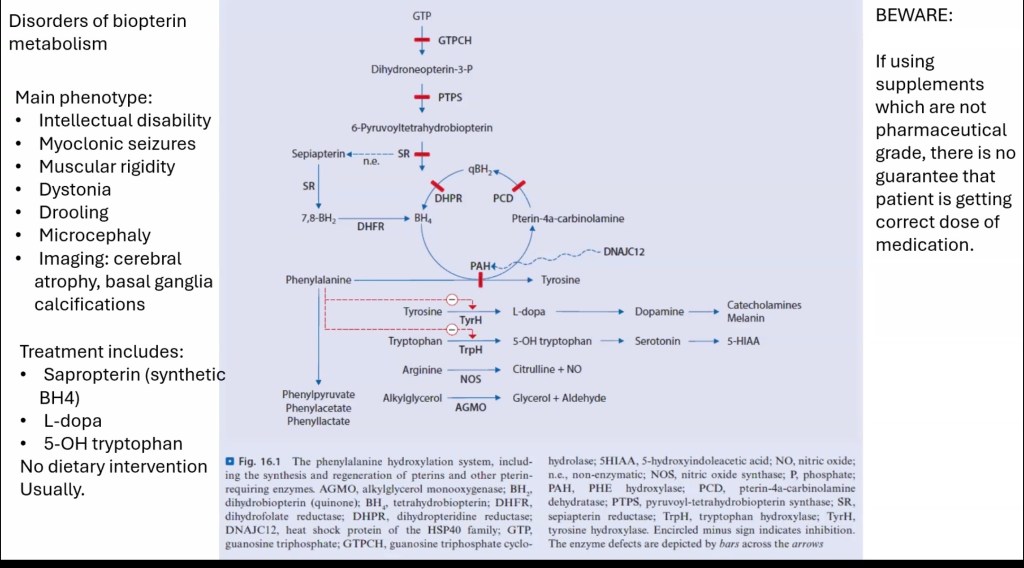
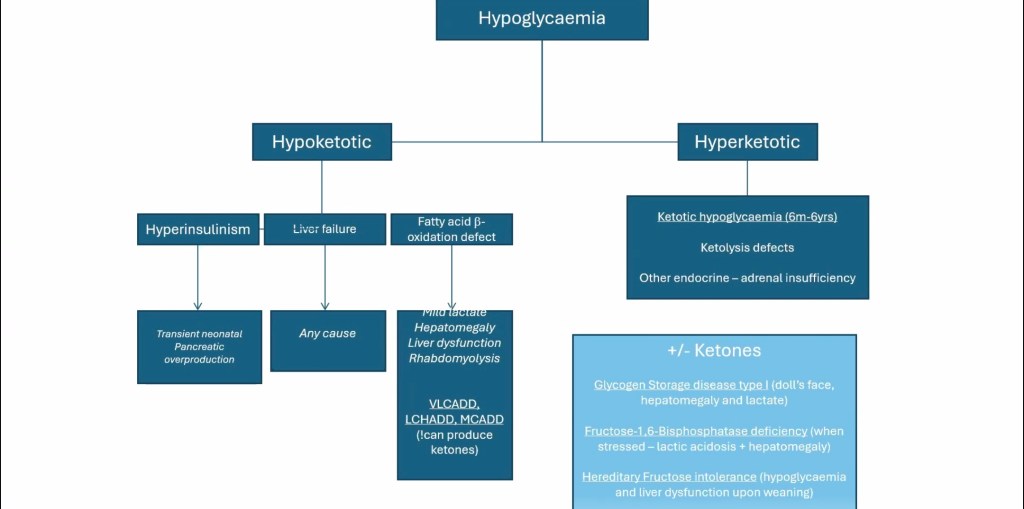
They showed other case studies and their treatment, and also accompanied with tips. The most important tip I personally took from the meeting was related to forgetfulness. Many doctors and neurologists tend to focus on what’s currently going on, and not other possibilities, no matter how unlikely. This can lead to other treatments not being used, which in the long term can be deadly to the patient. A core example is the one I mentioned previously, the teenager drinking and dying. This could’ve been prevented by checking ammonia levels, but nobody had thought to check that, leading to the sad death.
Overall, the meeting introduced me to numerous more topics and showed me so much more examples of conditions and symptoms than I thought possible before, and the significant amount of treatment plans that exists. It was so fun, listening to so much doctors give their own opinions and critical overviews on all the topics, and the sheer amount of questions I (and numerous [I mean numerous!] amount of people) asked. It was such a fun meeting, and I would love to attend another one soon!
 Scrubbed In Chronicles