Pathology, at least when I first heard about it, seemed like the most boring field of medicine. Not boring in the sense that the subject itselssf is boring, such as how some topics in neuroscience are so confusing that it becomes mind-numbingly boring. Yet, when I heard about pathology, I thought it was boring in the sense that nobody really cares. From the mild research that I have done, they’re not quite recognized or mentioned at all when patients are treated and they have quite a relatively low salary as opposed to other specialties, yet it suddenly clicked. It is easily one of the most respectable medicinal fields, such as how a scriptwriter ties up a movie together.
In essence, pathology is the study of the diseases, meaning the hours upon hours of biology revision can actually be effective in this field, as it focuses upon lower ranking doctors who study the diseases that are found in patients. Pathologists analyze diseases using four core steps, the etiology of the disorder, the pathogenesis of it, and the functional derangements and morphologic changes. The example shown below is a more detailed pathology of the male reproductive system.
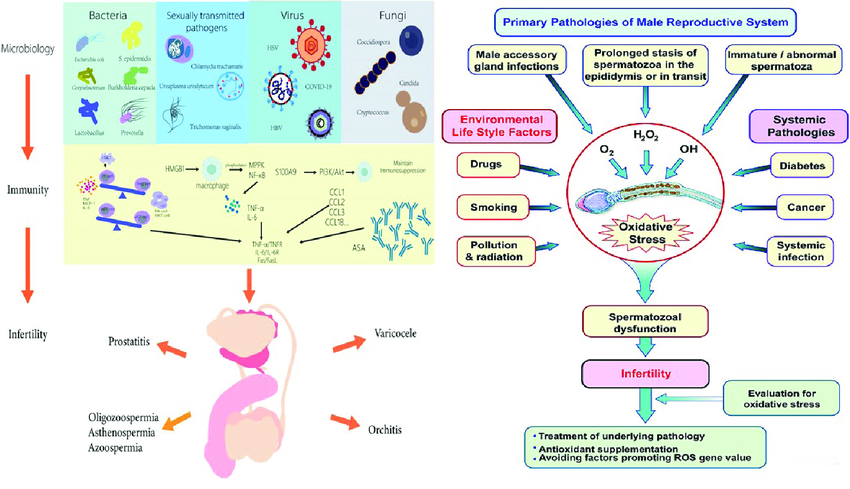
The epitology is the cause of the disease, which is surpriingly difficult tp find out. An example could be the epitology of a male patient classed infertile. While it could just be a genetics or epigenetic issue, it could also be due to an excessive addiction to substances such as alcohol or nicotine (classified as endangering lifestyle factors). The way pathologists effectively identify the cause of said disease is using their clinical data with more advanced laboratory testing, using a systematic process called clinicopathologic correlation, matching the physical symptoms of their patient’s physical symptoms with their molecular and structural findings. In some cases where the disease is on a molecular, DNA level they use molecular testing, which allows them to identify the forefront fingerprints of the disease.
The pathogenesis is the sequence of events and biochemical changes that occur from a diseases first stage to it’s final one. The initial stage is the exposure, where the disease arrives at an opening such as a mouth or a wound, and it sticks to the cells using it’s own special structures so it sticks, not to be dragged away by the body’s natural cleansers (i.e; tears, excretion, urination). From now on it breaks through the inital barrier and enters the deeper tissues. From now on the disease/pathogen will replicate rapidly and secrete toxins that destroy the tissue directly.
Now morphologic changes are the changes that pathologists are actually able to see, meaning the physical changes seen in cells and organs (physical alterations to shape and size[yet these ‘physical changes’ are actually seen under a microscopic lens]). On the other hand, functional derangements are how the body behaves incorrectly or not normally due to those physical changes. Essentially the loss of basic, normal human function. The main symptoms of functional derangements are usually that the patient will naturally feel short of breath, tired and the heart mispumping (extremely irregular for even patientd with massive disorders). On an organ level, if the heart muscle suffers from morphologic change it will directly lead to heart failure (and this sort of change can also occur in other major organs).
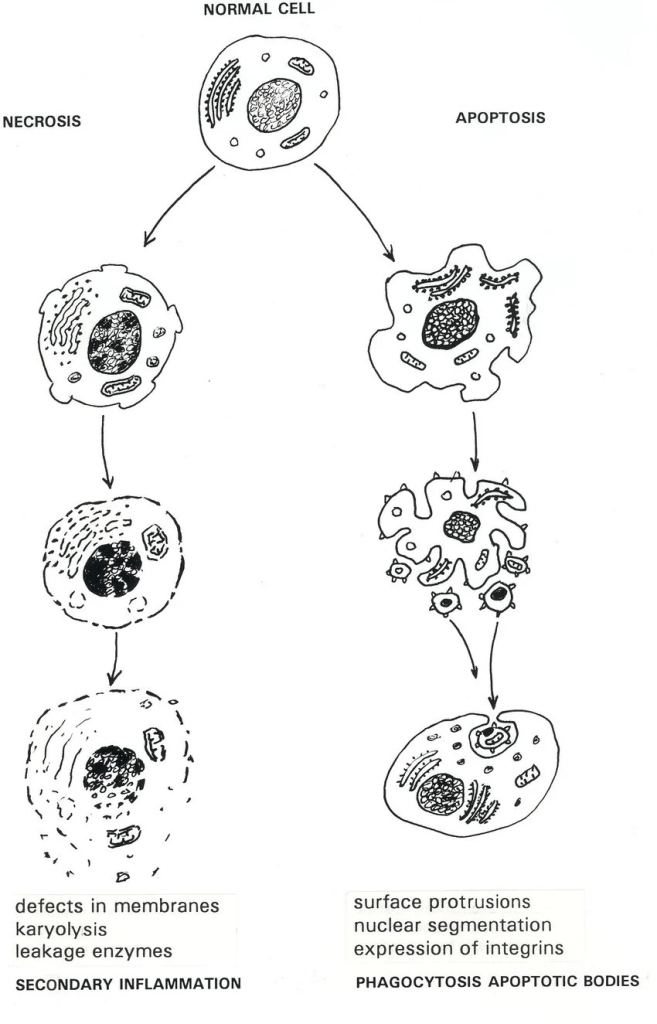
While I still think pathologists aren’t recognized enough and that it’s quite a challenging subject, it’s still an absolutely fascinating, undervalued and lovely profession.
 Scrubbed In Chronicles
Leave a comment