Pathology, at least when I was first researching professions to write about, seemed quite lackluster as opposed to professions that constantly save lives, it seemed quite boring as it was essentially research. Yet, pathologists especially in the “life saving professions” are sort of how a scriptwriter ties together a movie and they’re usually under appreciated as opposed to the cast and director, and pathologists are also payed relatively lower than other professions. Pathology is the study of diseases, and the cause and function of those diseases and how to cure it. They study diseases using four core step:
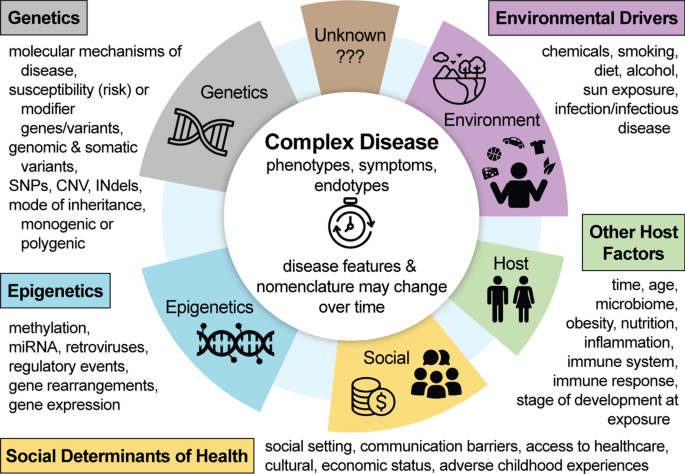
a) Etilogy of the disorder, which is the cause of the disease. An example I like to use when describing how the etilogy of disorders are not always straightforward is male infertility. While it can be a genetic disorder, it could also be an accumulation of constant stress and the addition of life endangering substances that they may indulge in, such as alcohol or nicotine. The way pathologists effectively identify the cause of said disease is using their clinical data with more advanced laboratory testing, using a systematic process called clinicopathologic correlation, matching the physical symptoms of their patient’s physical symptoms with their molecular and structural findings. In some cases where the disease is on a molecular, DNA level they use molecular testing, which allows them to identify the forefront fingerprints of the disease.
b) Pathogenesis of the disorder: sort of the sequence of events that the human body and cells go through with biological and chemical changes during the first stage of the disease to it’s final stage. A disease usually starts with it’s initial stage, where the initial stage is usually the exposure, where the disease arrives at an opening such as a mouth or a wound, and it sticks towards the cells using it’s own special structures so it sticks, which is not to be dragged away by the body’s natural cleansers (such as tears, excretion, urination). From now on it breaks through the inital barrier and enters the deeper tissues. From now on the disease/pathogen will replicate rapidly and secrete toxins that destroy the tissue directly.
c) Morpholic changes; now these are the changes that due to the disease, pathologists are actually able to see, meaning the physical changes and differences in cells and organs. (These changes are though seen on a microscopic level).
d) Functional derangements; while relatively similar to morpholic changes, they are how the body behaves differently and out of order due to the disease, which are essentially symptoms of the disease. The main symptoms of functional derangements are usually that the patient will naturally feel short of breath, tired and the heart mispumping (extremely irregular for even patients with deadly disorders). Yet on an organ level, if the heart muscle suffers from morphologic change it will directly lead to heart failure (and this sort of change can also occur in other major organs).
Evidently I am not as educated on pathology as I am on a subject as neuroscience or even cardiology, yet it is truly fascinating and the backbone for all medicine.


Leave a Reply